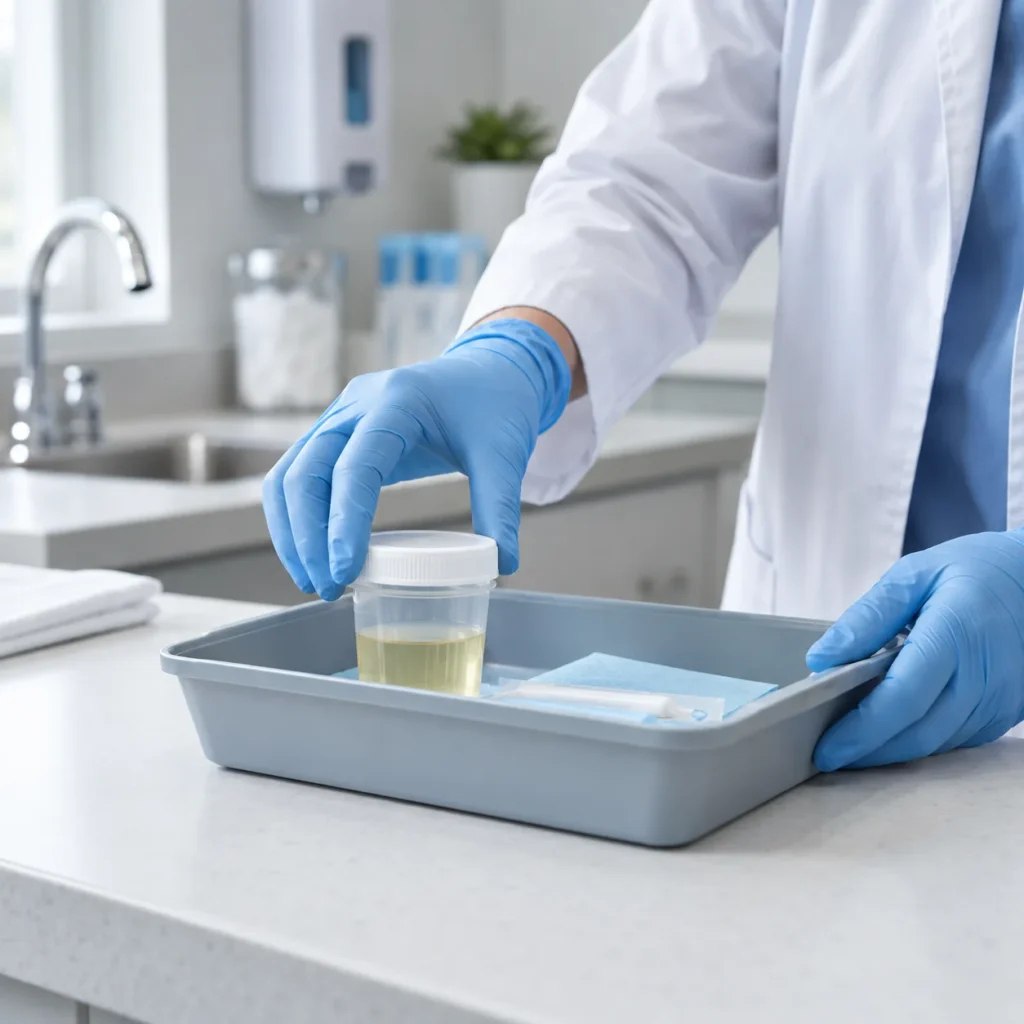
A simple urine sample is collected at the clinical point of care.
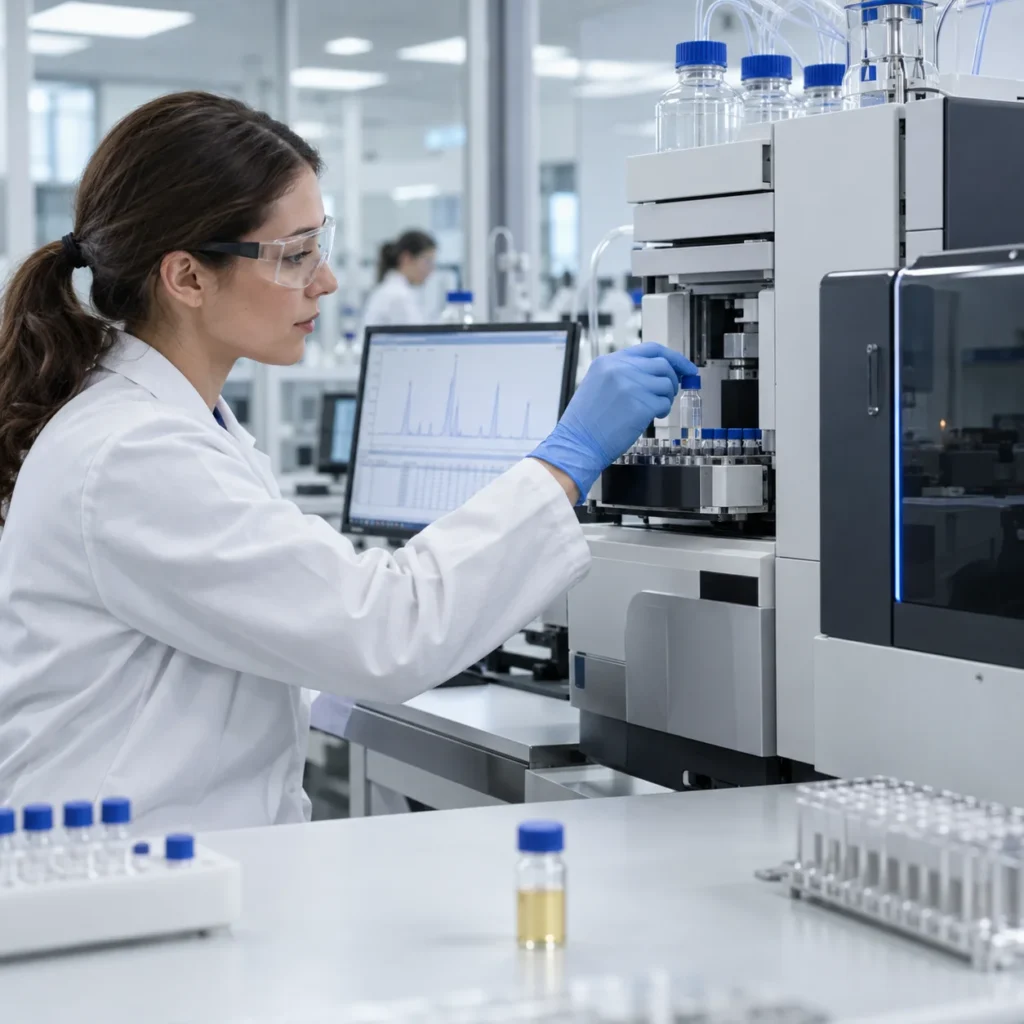
Proteomic analysis
Laboratory instruments measure a proprietary panel of urine biomarkers.
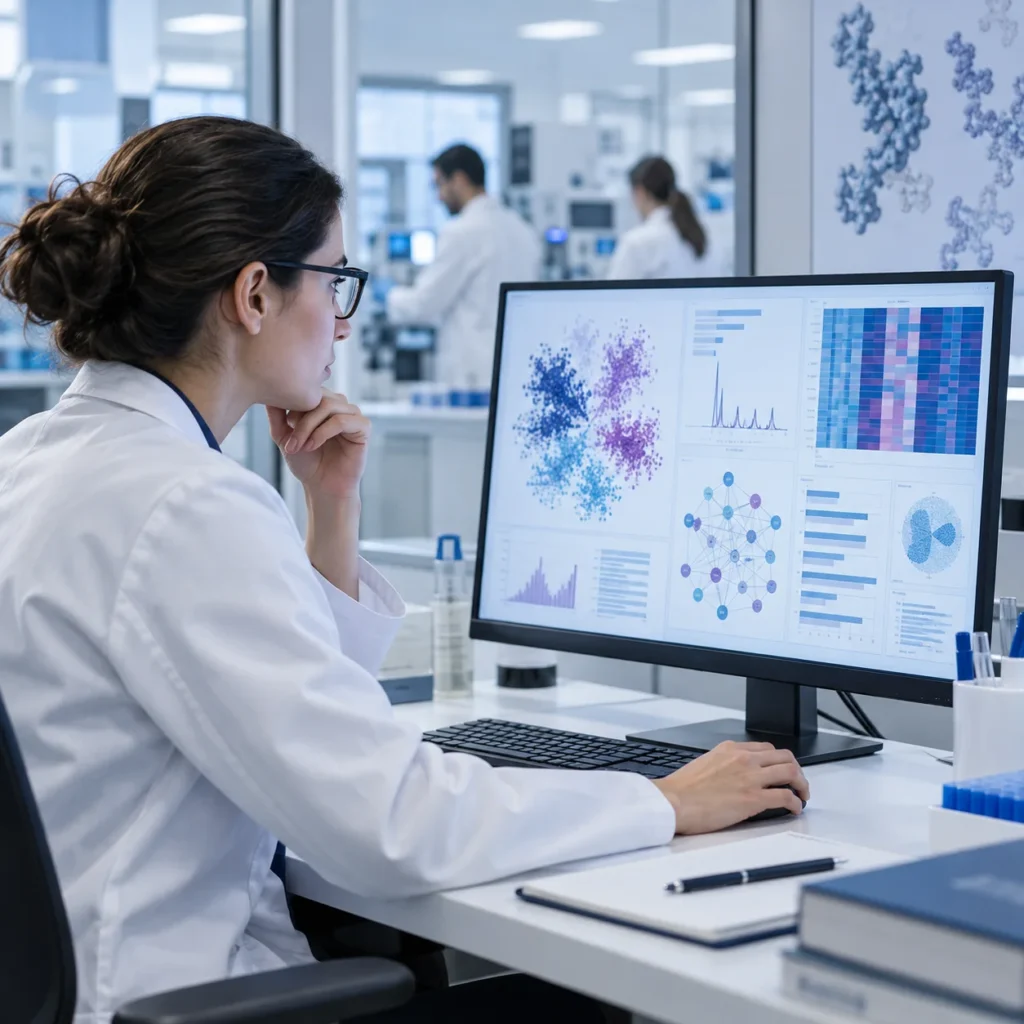
ML Model
Biomarker patterns are analyzed to support a clinician-facing result.
Why Urine?
Simple collection. Deep molecular insight.
Urine enables non-invasive collection at the point of care.
BioStream studies proteomic signatures associated with NPH and dementia to support differential diagnosis.
A urine sample can reduce reliance on invasive confirmation procedures such as the spinal tap.
Clinical Workflow
Point-of-care collection is followed by centralized proteomic analysis and a clinician-facing result.
Validation in Progress
An ongoing multi-center study currently includes 100+ hydrocephalus samples and 50 dementia control samples.
As a parent of a CSF shunt and president of the Hydrocephalus Association, I see the need for better monitoring.
BioStream’s AI-powered urine test is the solution we’ve been waiting for.
Noa Lubin
President of Hydrocephalus Israel
When I heard about BioStream, I thought - how didn’t I think of this?
It solves a daily challenge so simply.
Dr. Ben Guiot
Neurosurgeon
iNPH responds to treatment, and early intervention matters. The bottleneck is finding it early. An accessible first-line test moves diagnosis upstream, when it can still make a difference.